
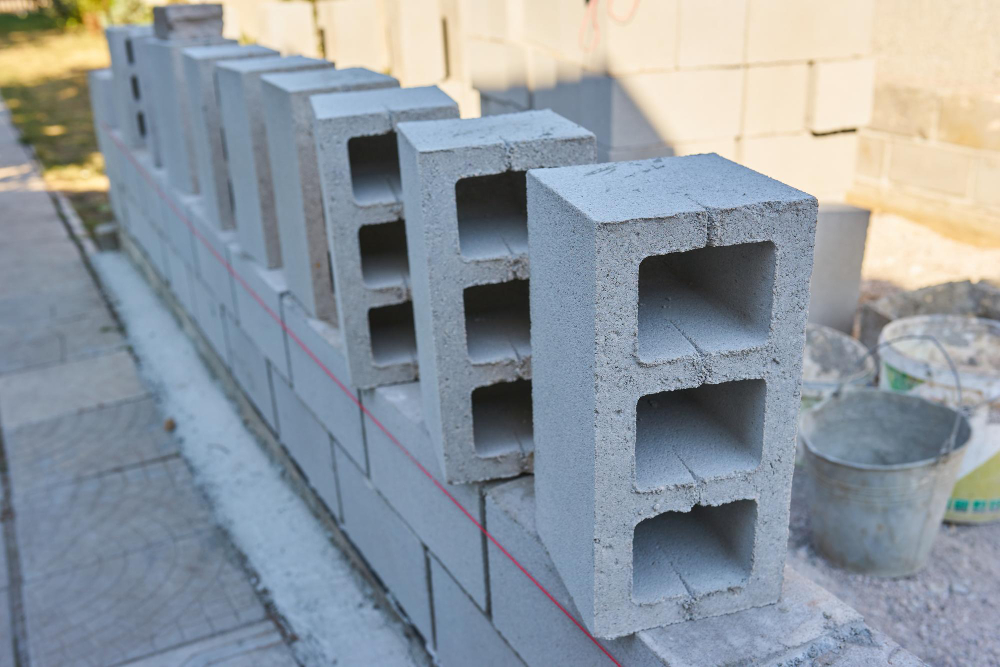
The construction industry in the UAE is evolving rapidly. Developers today face increasing pressure to complete projects faster, maintain high quality standards, reduce costs, and meet sustainability requirements.
As a result, many contractors and project owners are moving away from conventional construction methods and exploring more efficient alternatives.
One solution gaining significant attention is precast concrete.
From commercial buildings and infrastructure projects to residential developments and public spaces, precast concrete is becoming an important part of modern construction strategies across Dubai and the UAE.
But how does precast concrete compare to traditional construction methods? And which option is better for your next project?
This guide explores the key differences, benefits, and considerations to help developers, architects, engineers, and contractors make informed decisions.
What Is Precast Concrete?
Precast concrete refers to concrete components that are manufactured in a controlled factory environment before being transported to the construction site for installation.
Unlike traditional construction, where concrete is poured and cured on-site, precast elements are produced off-site under carefully controlled conditions.
Common precast concrete products include:
- Wall panels
- Facade elements
- Architectural features
- Concrete benches
- Structural components
- Landscaping products
- Infrastructure elements
Once completed, these components are delivered to the project location and assembled efficiently.
What Is Traditional Construction?
Traditional construction involves manufacturing structural elements directly on the job site.
The process typically includes:
- Site preparation
- Formwork installation
- Reinforcement placement
- Concrete pouring
- Curing
- Finishing work
While traditional construction remains widely used, it often requires more time, labor, and site management compared to precast solutions.
Speed of Construction
One of the biggest differences between the two methods is project speed.
Precast Construction
Because manufacturing takes place simultaneously with site preparation, project timelines can be significantly reduced.
Benefits include:
- Faster project completion
- Reduced labor dependency
- Less site congestion
- Predictable installation schedules
For developers, faster completion often means earlier occupancy and improved project returns.
Traditional Construction
Traditional construction is generally more time-consuming because each stage depends on the completion of the previous one.
Factors that can cause delays include:
- Weather conditions
- Labor shortages
- Site limitations
- Material availability
In fast-moving markets such as Dubai, these delays can impact overall project profitability.
Quality Control
Quality is another major consideration when choosing a construction method.
Advantages of Precast Concrete
Precast components are manufactured in controlled facilities where production conditions remain consistent.
This allows:
- Better dimensional accuracy
- Consistent finishes
- Improved quality assurance
- Reduced defects
Factory-controlled environments eliminate many variables commonly encountered on construction sites.
Traditional Construction Challenges
On-site construction is more susceptible to:
- Human error
- Weather disruptions
- Inconsistent workmanship
- Variable curing conditions
These factors can affect overall quality and performance.
Cost Considerations
Many developers assume traditional construction is always less expensive.
However, the reality is more complex.
Precast Concrete Cost Benefits
While initial manufacturing costs may appear higher, precast solutions often reduce:
- Labor expenses
- Construction timelines
- Material waste
- Maintenance requirements
When lifecycle costs are considered, precast systems often provide excellent value.
Traditional Construction Costs
Traditional methods may involve:
- Extended labor requirements
- Longer project durations
- Increased site management costs
- Greater risk of delays
For large-scale developments, these costs can accumulate significantly.
Durability and Performance
The UAE’s climate places considerable stress on construction materials.
Buildings must withstand:
- High temperatures
- UV exposure
- Dust and sandstorms
- Coastal conditions
Why Precast Performs Well
Precast concrete offers:
- High compressive strength
- Long service life
- Reduced maintenance
- Excellent weather resistance
This makes it suitable for both structural and architectural applications.
Long-Term Reliability
Because precast products are manufactured under controlled conditions, performance consistency is often higher compared to site-produced alternatives.
Sustainability Benefits
Sustainability has become a major focus within the UAE construction sector.
Many developers are pursuing environmentally responsible building practices.
Environmental Advantages of Precast Concrete
Precast production can support sustainability goals by reducing:
- Material waste
- Site disruption
- Resource consumption
- Transportation inefficiencies
Controlled manufacturing also allows for more efficient use of raw materials.
Supporting Green Building Initiatives
As green building standards become increasingly important, precast concrete aligns well with sustainable construction objectives.
Architectural Flexibility
There is a common misconception that precast concrete limits design creativity.
Modern manufacturing technology has changed this dramatically.
Today’s precast solutions can incorporate:
- Decorative textures
- Architectural patterns
- Custom finishes
- Curved elements
- Landscape features
This flexibility allows architects to achieve visually appealing designs while maintaining efficiency.
Applications of Precast Concrete in UAE Projects
Precast concrete is widely used across various sectors.
Commercial Developments
Office buildings and retail centers benefit from faster construction schedules and consistent quality.
Residential Communities
Developers use precast solutions to accelerate project delivery while maintaining quality standards.
Infrastructure Projects
Bridges, transportation facilities, and utility structures frequently incorporate precast components.
Public Spaces
Precast concrete benches, planters, and architectural features are increasingly used in parks, plazas, and public environments.
Common Mistakes When Evaluating Construction Methods
Focusing Only on Initial Cost
Many project owners evaluate construction methods based solely on upfront expenses.
However, long-term performance, maintenance, and project timelines should also be considered.
Ignoring Project Scale
Large developments often benefit significantly from the efficiencies offered by precast systems.
Overlooking Quality Consistency
Factory-controlled manufacturing can provide advantages that are difficult to replicate on busy construction sites.
When Should You Choose Precast Concrete?
Precast concrete is often the preferred option when:
- Project timelines are critical
- Consistent quality is required
- Labor availability is limited
- Large-scale production is needed
- Long-term durability is important
It is particularly valuable for commercial, residential, and infrastructure projects throughout the UAE.
The Future of Precast Construction in Dubai
As the UAE continues investing in major developments, demand for efficient construction solutions is expected to increase.
Precast concrete aligns closely with modern industry priorities:
- Speed
- Sustainability
- Cost efficiency
- Quality control
- Architectural flexibility
These advantages position precast systems as a key component of future construction strategies.
Conclusion
Both precast concrete and traditional construction methods have their place within the industry. However, for many modern UAE projects, precast concrete offers clear advantages in speed, quality, durability, and overall efficiency.
As developers seek smarter ways to deliver projects on time and within budget, precast solutions continue to gain popularity across residential, commercial, and infrastructure sectors.
Partnering with an experienced precast supplier can help ensure that projects achieve both performance and aesthetic objectives while benefiting from the efficiencies that modern construction methods provide.
Internal Linking Opportunities
- Link “GRC & GRP Solutions” to the main GRC & GRP service page.
- Link “Architectural Products” to the relevant product category page.
- Link “Concrete Benches” to the concrete bench product page.
- Link “Contact Us” within the conclusion CTA.
- Link Blog 1 (GRC vs GRP Guide) from the section discussing modern construction materials.
FAQs
What is precast concrete?
Precast concrete consists of components manufactured off-site in controlled facilities before being transported to construction sites for installation.
Is precast concrete stronger than traditional concrete?
Both can achieve high strength levels, but precast concrete often benefits from improved quality control during manufacturing.
Why is precast concrete popular in Dubai?
Its speed, durability, quality consistency, and suitability for large-scale developments make it attractive for UAE projects.
Does precast concrete reduce construction time?
Yes. Because manufacturing occurs off-site while site work progresses, overall project timelines can often be reduced significantly.
What types of projects use precast concrete?
Commercial buildings, residential developments, infrastructure projects, public spaces, and architectural applications commonly use precast concrete solutions.