
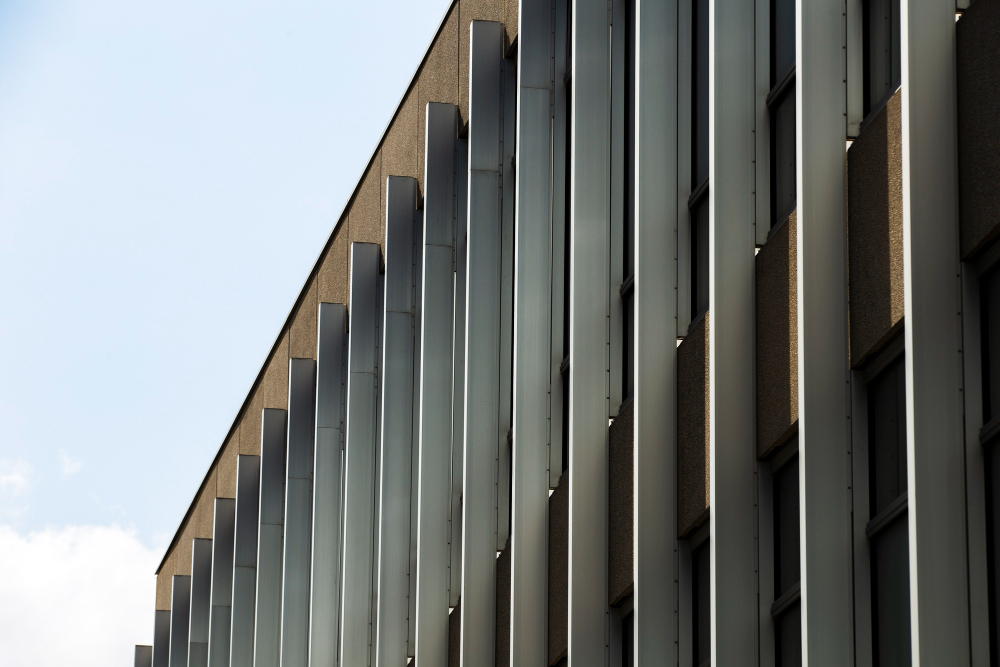
The UAE is known for pushing architectural boundaries. From iconic skyscrapers and luxury hotels to modern villas and commercial developments, the region continues to embrace innovative construction materials that combine aesthetics, durability, and efficiency.
One material that has seen significant growth in recent years is GRC cladding.
Architects, developers, and contractors across Dubai and the UAE are increasingly choosing Glass Reinforced Concrete (GRC) cladding because it offers the appearance of traditional concrete while delivering superior flexibility and reduced structural load.
As modern construction focuses on both visual impact and long-term performance, GRC cladding has become one of the most practical facade solutions available today.
What Is GRC Cladding?
GRC cladding refers to exterior building panels manufactured using a combination of:
- Cement
- Fine aggregates
- Water
- Chemical additives
- Alkali-resistant glass fibers
The addition of glass fibers significantly improves tensile strength while allowing manufacturers to produce thinner and lighter panels than conventional concrete.
These panels are attached to building exteriors to create attractive facades, decorative architectural features, and durable exterior surfaces.
Unlike traditional concrete, GRC can be molded into highly detailed shapes and textures, making it ideal for both contemporary and classical architectural styles.
Why Is GRC Cladding Popular in the UAE?
The UAE presents unique construction challenges.
Buildings must withstand:
- Extreme temperatures
- UV exposure
- Sandstorms
- Humidity fluctuations
- Coastal environmental conditions
Many conventional facade materials deteriorate over time when exposed to these factors.
GRC cladding offers a durable alternative that performs exceptionally well under harsh environmental conditions.
This makes it particularly attractive for architects and developers working on long-term projects.
Key Benefits of GRC Cladding
Lightweight Yet Strong
One of the primary reasons architects prefer GRC cladding is its exceptional strength-to-weight ratio.
Traditional concrete facades can place substantial loads on structural frameworks.
GRC provides a similar visual appearance while significantly reducing overall weight.
Benefits include:
- Reduced structural load
- Easier transportation
- Faster installation
- Lower construction costs
This is especially valuable for high-rise buildings and large commercial developments.
Exceptional Design Flexibility
Modern architecture demands creativity.
GRC can be molded into virtually any shape, texture, or profile.
Architects can create:
- Curved facades
- Decorative screens
- Ornamental moldings
- Columns
- Geometric patterns
- Architectural panels
This level of customization allows designers to achieve unique building identities without compromising structural performance.
Superior Durability
The UAE’s climate can be unforgiving.
GRC cladding is engineered to resist:
- Cracking
- Corrosion
- Weathering
- UV damage
Because of its durability, GRC often requires less maintenance than many traditional facade materials.
For property owners, this translates into lower long-term maintenance costs.
Aesthetic Versatility
Appearance plays a major role in modern architecture.
GRC can replicate:
- Natural stone
- Concrete finishes
- Textured surfaces
- Decorative architectural elements
This versatility enables architects to achieve premium aesthetics without the weight and cost associated with natural materials.
Applications of GRC Cladding in UAE Projects
Commercial Buildings
Office towers and business complexes frequently use GRC cladding to create contemporary facades that project professionalism and quality.
Because the material is lightweight, it can be incorporated into large-scale commercial projects without excessive structural requirements.
Luxury Villas
Many high-end residential developments in Dubai feature GRC architectural elements.
The material allows designers to combine modern aesthetics with traditional Arabic architectural influences.
Decorative facades, window surrounds, and exterior detailing can all be achieved using GRC.
Hotels and Hospitality Projects
The hospitality industry relies heavily on visual appeal.
Hotels and resorts use GRC cladding to create striking exteriors while maintaining durability and reducing maintenance costs.
Public Buildings
Museums, mosques, cultural centers, and government projects often require intricate architectural details.
GRC provides the flexibility needed to achieve these complex designs efficiently.
GRC Cladding vs Traditional Concrete
Many developers compare GRC directly with traditional concrete before selecting a facade material.
Weight
Traditional concrete is considerably heavier.
GRC can achieve similar appearances while significantly reducing weight.
Installation
Because GRC panels are lighter, installation is generally faster and more efficient.
Design Options
Traditional concrete has limitations when creating complex architectural details.
GRC offers significantly greater design freedom.
Cost Efficiency
While project costs vary, reduced structural requirements and faster installation can make GRC an economical solution over the life of a project.
Sustainability Benefits of GRC Cladding
Sustainability has become a priority throughout the UAE construction sector.
GRC supports sustainable construction practices through:
- Reduced material consumption
- Lower transportation weight
- Extended product lifespan
- Reduced maintenance requirements
As developers pursue green building certifications and environmentally responsible construction methods, GRC continues to gain popularity.
Choosing the Right GRC Manufacturer in UAE
Not all GRC suppliers offer the same level of expertise.
When selecting a GRC manufacturer, consider:
- Experience with UAE projects
- Custom manufacturing capabilities
- Quality control processes
- Design support
- Project portfolio
Working with an experienced supplier helps ensure consistent quality and reliable project outcomes.
Internal Link Opportunity:
For projects requiring both concrete-based and fiberglass-based architectural solutions, explore our GRC & GRP products and solutions.
You can also read our guide:
“What Is the Difference Between GRC and GRP?” to better understand which material suits your project requirements.
Common Mistakes to Avoid When Choosing Cladding
Focusing Only on Initial Cost
The cheapest option is not always the most economical long term.
Durability, maintenance, and lifecycle costs should also be considered.
Ignoring Environmental Conditions
Materials that perform well in other regions may not be suitable for UAE weather conditions.
Choosing Inexperienced Suppliers
Facade systems are major architectural investments.
Selecting an experienced manufacturer can significantly impact project quality.
The Future of GRC Cladding in UAE Architecture
As UAE cities continue to evolve, architects are seeking materials that balance performance, sustainability, and design freedom.
GRC cladding aligns perfectly with these goals.
Its ability to create visually impressive facades while reducing structural loads makes it a preferred solution for modern developments.
From luxury villas and commercial buildings to cultural landmarks and hospitality projects, GRC is helping shape the future of UAE architecture.
Conclusion
GRC cladding has transformed the way architects approach facade design in the UAE. Its combination of strength, lightweight construction, durability, and aesthetic flexibility makes it one of the most effective cladding materials available today.
As construction projects continue to demand greater efficiency and architectural creativity, GRC will remain a key material driving innovation across the UAE building sector.
FAQs
What is GRC cladding?
GRC cladding is a facade system made from Glass Reinforced Concrete that combines cement and glass fibers to create lightweight, durable architectural panels.
Why is GRC cladding popular in Dubai?
Its durability, design flexibility, and ability to withstand harsh weather conditions make it ideal for UAE projects.
Is GRC cladding better than traditional concrete?
For many facade applications, GRC offers advantages such as reduced weight, easier installation, and greater design flexibility.
Where is GRC cladding commonly used?
It is widely used in commercial buildings, luxury villas, hotels, public structures, and architectural facades.