
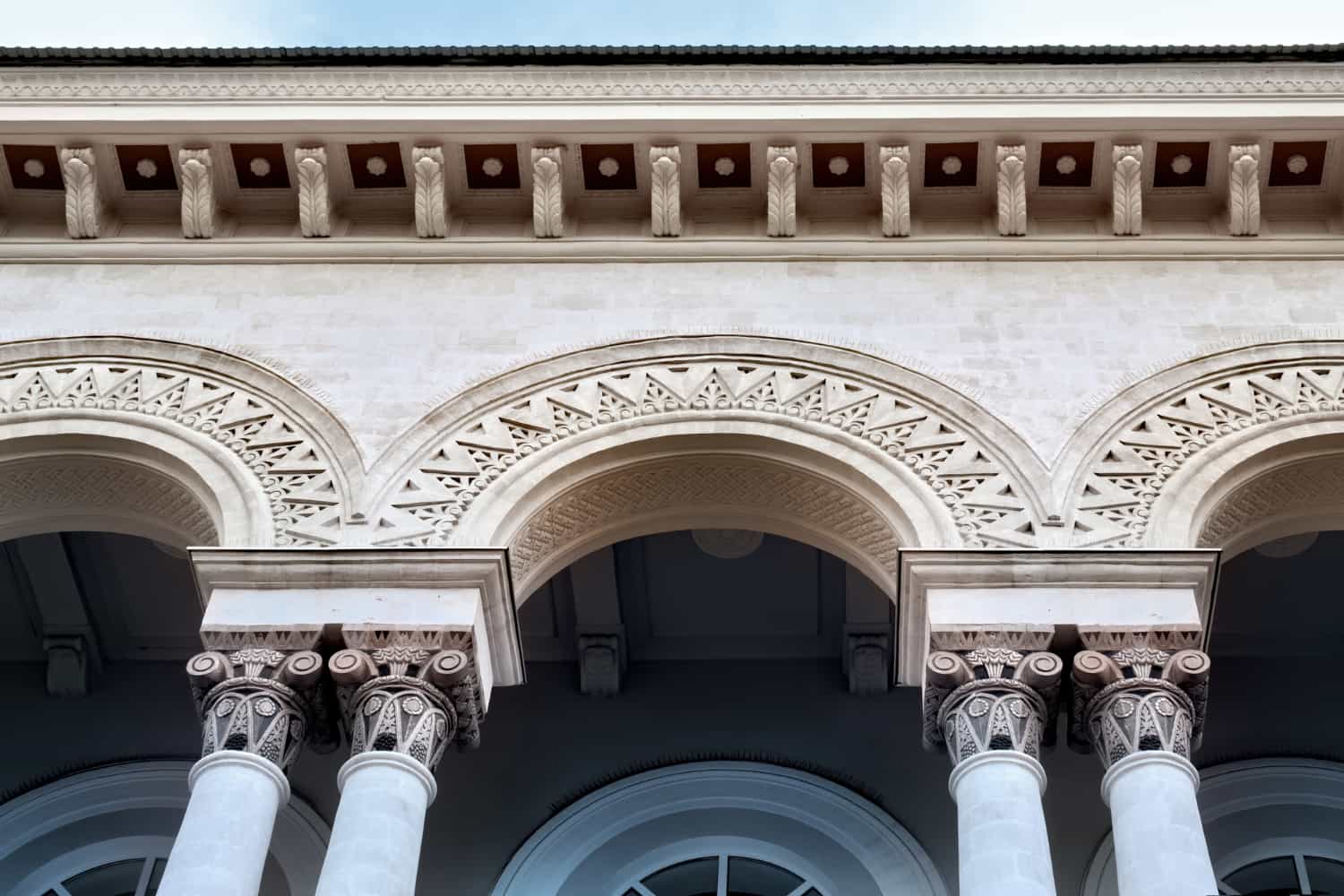
Modern construction projects require materials that are durable, lightweight, cost-effective, and visually appealing. Two materials that have become increasingly popular across residential, commercial, and architectural developments are GRC (Glass Reinforced Concrete) and GRP (Glass Reinforced Plastic).
Although these materials are often mentioned together, they serve different purposes and offer unique advantages. Understanding the differences between GRC and GRP can help architects, contractors, and project owners select the right solution for their specific requirements.
At PointX Dubai, both GRC and GRP products are widely used across a range of construction and architectural applications, helping create structures that combine strength, aesthetics, and long-term performance.
What Is GRC?
Glass Reinforced Concrete (GRC) is a composite material made from cement, fine aggregates, water, chemical additives, and alkali-resistant glass fibers.
The addition of glass fibers significantly improves the strength and durability of conventional concrete while reducing overall weight.
GRC is commonly used for:
- Architectural facades
- Decorative moldings
- Exterior cladding
- Wall panels
- Landscaping features
- Ornamental structures
One of the biggest advantages of GRC is its ability to replicate the appearance of natural stone, concrete, or other traditional building materials while remaining lighter and easier to install.
What Is GRP?
Glass Reinforced Plastic (GRP), sometimes referred to as fiberglass, is a composite material made by combining resin with glass fibers.
Unlike GRC, GRP does not contain cement. Instead, it relies on resin-based compounds that provide exceptional flexibility and lightweight properties.
GRP is commonly used for:
- Domes
- Minarets
- Decorative structures
- Architectural features
- Water-resistant applications
- Industrial components
Because GRP can be molded into highly complex shapes, it is often preferred for custom architectural projects requiring intricate detailing.
Key Differences Between GRC and GRP
While both materials contain glass fibers, their composition and applications differ significantly.
Material Composition
GRC is cement-based, making it ideal for applications that require a concrete appearance and enhanced structural strength.
GRP is resin-based, offering greater flexibility and lighter weight.
Weight
GRC is considerably lighter than traditional concrete but remains heavier than GRP.
GRP is one of the lightest construction materials available for architectural applications.
Appearance
GRC closely resembles natural concrete or stone surfaces.
GRP can be manufactured in a wide range of colors, textures, and finishes.
Structural Performance
GRC performs exceptionally well in exterior architectural applications where durability and weather resistance are critical.
GRP is often chosen when lightweight construction and complex designs are priorities.
Applications of GRC in Modern Construction
GRC has become a preferred material for architects seeking a balance between aesthetics and performance.
Some popular applications include:
Building Facades
GRC panels create visually striking building exteriors while reducing structural load.
Architectural Cladding
Many developers now use GRC cladding solutions to achieve modern designs without the weight associated with traditional concrete.
Internal Link Opportunity:
Learn more about GRC applications through our GRC & GRP solutions page.
Decorative Features
Cornices, columns, screens, and ornamental features can all be produced using GRC.
Applications of GRP in Modern Construction
GRP has established itself as a versatile solution for complex architectural designs.
Domes and Minarets
GRP is widely used across religious and cultural projects due to its ability to create intricate shapes.
Lightweight Architectural Structures
Large decorative structures can be manufactured and installed more efficiently using GRP.
Water-Resistant Applications
Because GRP is highly resistant to moisture, it performs well in challenging environmental conditions.
How to Choose Between GRC and GRP
The right choice depends on project requirements.
Choose GRC when:
- A concrete appearance is desired
- Exterior cladding is required
- Durability is a priority
- Architectural detailing is needed
Choose GRP when:
- Lightweight construction is essential
- Complex shapes are required
- Moisture resistance is important
- Faster installation is preferred
Why These Materials Are Popular in the UAE
The UAE’s climate presents unique challenges, including intense heat, UV exposure, and occasional humidity.
Both GRC and GRP offer:
- Long-term durability
- Weather resistance
- Reduced maintenance
- Design flexibility
- Cost-effective installation
These advantages make them ideal for modern developments across Dubai and the wider UAE region.
The Future of GRC and GRP
As architects continue to push the boundaries of design, demand for innovative materials is expected to grow.
Both GRC and GRP support sustainable construction practices by reducing weight, improving efficiency, and enabling creative architectural solutions.
Whether designing a commercial facade, luxury villa, public space, or large-scale development, these materials provide flexibility without compromising performance.
Conclusion
GRC and GRP are both valuable materials in modern construction, but they serve different purposes. GRC excels in architectural facades, cladding, and decorative concrete applications, while GRP offers unmatched flexibility for lightweight and intricate designs.
Understanding their strengths can help project stakeholders make informed decisions that align with performance, budget, and design goals.
For architects, contractors, and developers looking for high-quality GRC and GRP solutions in the UAE, choosing an experienced manufacturer and supplier is an important step toward project success.
FAQs
Which is stronger, GRC or GRP?
GRC generally offers greater structural strength, while GRP provides superior flexibility and lightweight performance.
Is GRP the same as fiberglass?
Yes, GRP is commonly referred to as fiberglass and is widely used in construction and industrial applications.
Is GRC suitable for exterior applications?
Yes, GRC is highly durable and frequently used for exterior facades, cladding, and architectural elements.
Why are GRC and GRP popular in Dubai?
Their durability, weather resistance, and design versatility make them ideal for UAE construction projects.